UltiMaker
Modern defense is no longer defined only by advanced weapon systems or highly trained forces. Behind every mission lies a complex ecosystem of logistics, supply chains, and maintenance protocols that keep aircraft, vehicles, and vessels operational around the clock. Today, the “tooth-to-tail ratio” – the balance between combat soldiers and support staff – has grown to 1:10. This means that for every person in an operational role, there are ten support personnel ensuring equipment, logistics, and systems are ready when needed.
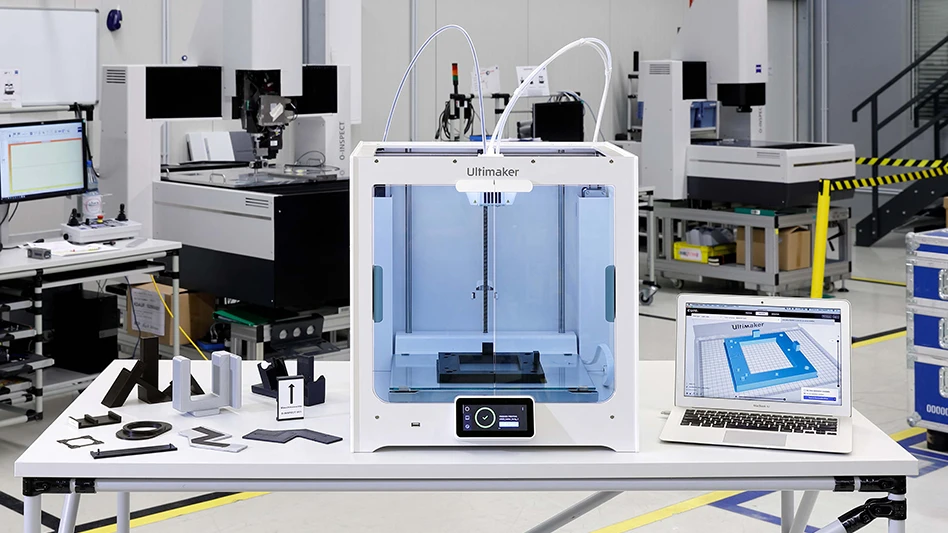
In this environment, additive manufacturing has emerged as a transformative technology. 3D printing is not just a tool for prototyping anymore – it is rapidly becoming a frontline asset, helping defense organizations manufacture parts, maintain equipment, and bridge supply chain gaps under pressure. UltiMaker’s industrial and professional 3D printers 3D printers are playing an increasingly critical role, providing flexibility, security, and reliability wherever they are deployed.
Smarter manufacturing with 3D printing
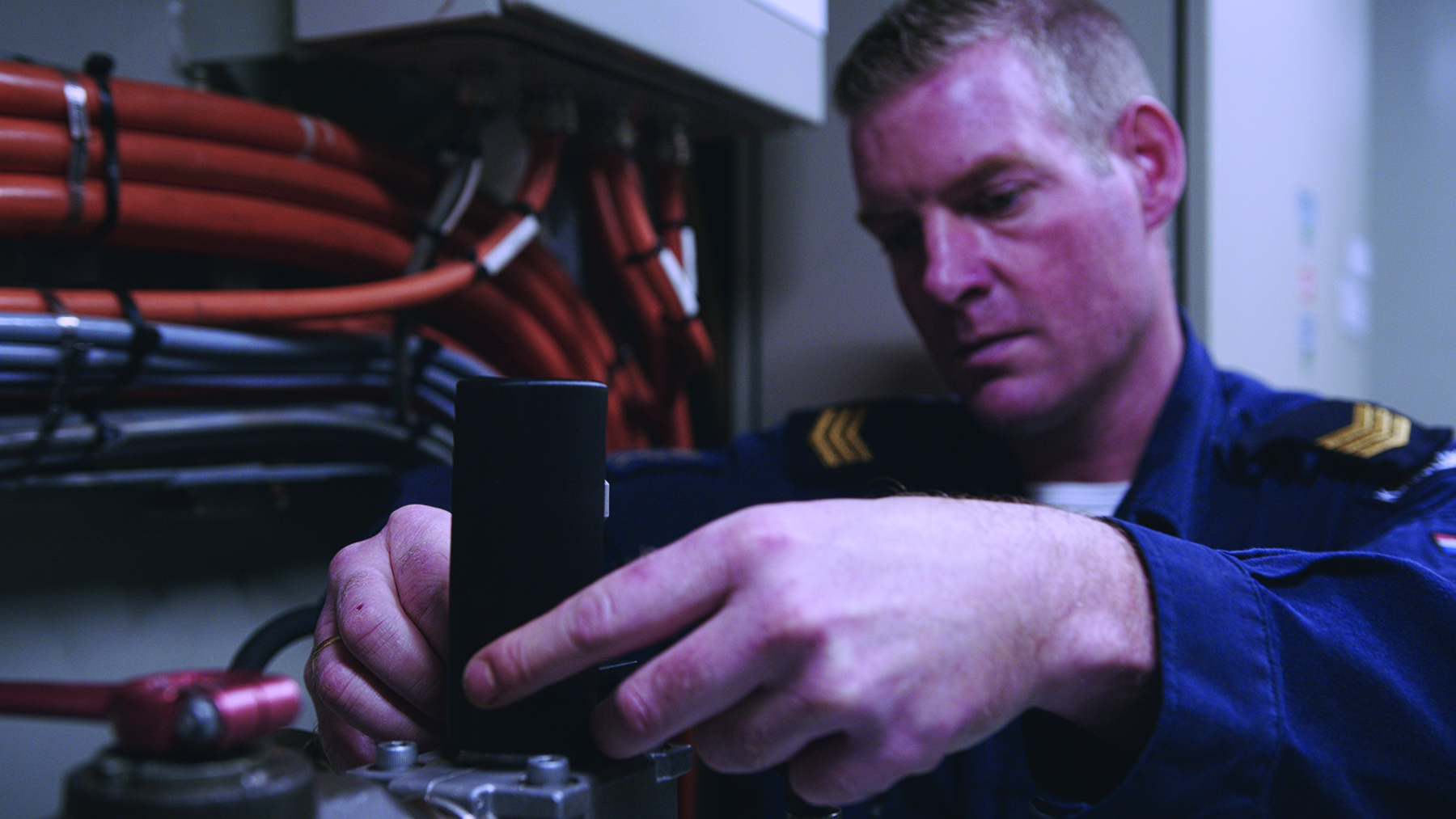
Defense manufacturing spans everything from clothing and protective gear to armored vehicles and advanced aircraft. Traditionally, improving production processes required lengthy procurement cycles or outsourcing. With 3D printing, engineers can now produce custom jigs, fixtures, and inspection tools directly on the factory floor.
This on-demand approach not only reduces costs but also enhances efficiency and quality. An assembly worker can receive a redesigned jig within hours, improving ergonomics and consistency, while engineers can digitally update tools in response to specification changes or new vehicle models. Airbus, for example, integrates UltiMaker 3D printers and Cura software into its European facilities, using them to produce lightweight composite fixtures that streamline workflows across complex aerospace programs.
By decentralizing tool production, 3D printing empowers defense contractors to innovate continuously without the delays of traditional machining. In effect, every UltiMaker system acts as a mini manufacturing plant – compact, accessible, and easy to operate, even without specialist training.
Minimizing downtime through maintenance in the field
If manufacturing is the backbone of defense, MRO (Maintenance, Repair and Overhaul) is its heartbeat. Keeping complex systems such as aircraft, ships, and vehicles operational in challenging environments requires speed and precision. Traditionally, defense organizations relied on large depots stocked with thousands of spare parts, replenished through long and often delayed supply chains.
Now, militaries are shifting toward leaner, two-level maintenance strategies. UltiMaker 3D printers enable units to print replacement parts and custom tools directly in the field. The Royal Netherlands Air Force, for instance, uses UltiMaker systems to produce tailored tools for maintaining Chinook helicopters, Apache aircraft, NH90 naval helicopters, and F-16 fighter jets.
In another striking demonstration, the Royal Dutch Navy successfully tested a carbon-fiber composite winch link, 3D printed on an UltiMaker S5, to lift a 12-ton personnel carrier. Such applications demonstrate the practicality and robustness of additive manufacturing in demanding defense environments.
By reducing dependence on massive in-theater storage and long resupply convoys, 3D printing allows technicians to keep critical systems operational with far greater agility.
Reinventing the supply chain
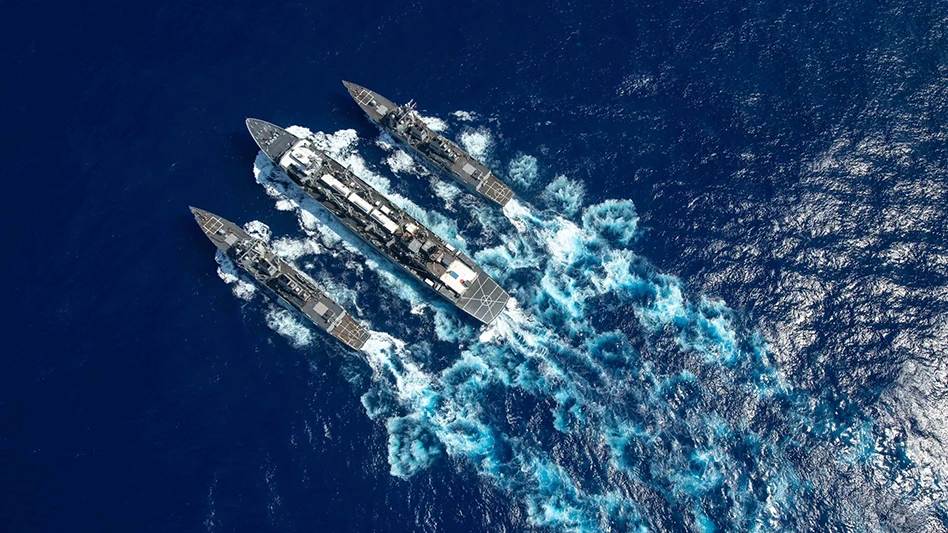
Supply chain resilience is a defining challenge for today’s defense forces. From forward operating bases to naval deployments that last months at sea, access to the right parts and equipment can determine operational readiness.
3D printing provides unprecedented flexibility. Instead of waiting weeks for a replacement component, units can print it in hours using locally available printers and digital part libraries. This approach reduces inventory costs, lowers the risks associated with transport, and ensures continuity even in situations where traditional supply lines are affected by weather, terrain, or unexpected interruptions.
UltiMaker printers have already been deployed across US Navy and Marine bases worldwide under a $5 million contract, enabling personnel to print everything from simple brackets and clips to mission-critical components on demand.
Mission-specific customization
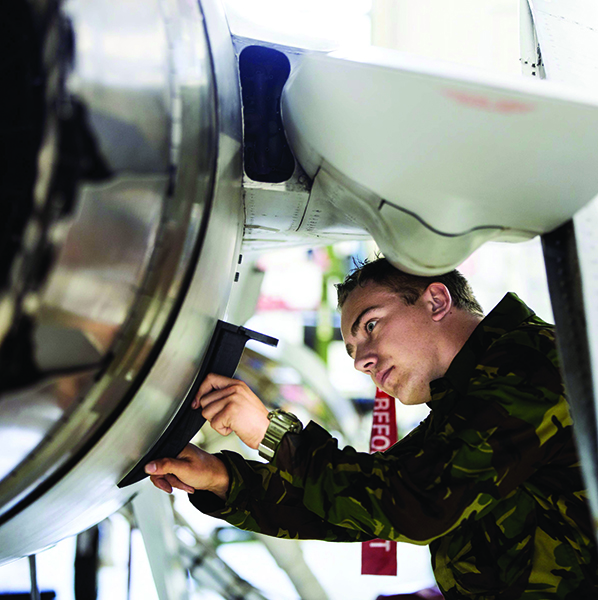
Every defense operation comes with unique requirements, and standard equipment does not always provide the best fit. With 3D printing, adaptation happens quickly and efficiently. Engineers and technicians can design, test, and produce custom solutions in real time – whether that means mounting systems for sensors on drones, protective housings for communication devices, or tailored fittings for vehicles and equipment.
This flexibility ensures that personnel can respond to evolving technical needs without waiting for lengthy procurement cycles. Many of these designs, once validated in the field, can be refined and shared with industry partners for larger-scale production, strengthening the overall defense ecosystem.
Additive manufacturing also plays an important role in the development of UAVs (Unmanned Aerial Vehicles). Using UltiMaker 3D printers, teams can create custom drone components – such as sensor mounts, casings, and lightweight structural parts – to enhance flight performance, integrate new equipment, and enable faster adaptation to mission needs.
A secure and trusted platform
For defense organizations, trust and security are as important as performance. UltiMaker provides TAA-compliant 3D printers, secure software that supports both online and offline modes, and compatibility with a wide range of rugged, engineering-grade materials – including carbon fiber composites and flame-retardant polymers.
Coupled with global technical support and training, UltiMaker ensures that its systems are as reliable on the factory floor as they are in a mobile field workshop. Whether used for manufacturing, maintenance, or supply chain resilience, these solutions give defense organizations a proven, battle-tested tool to enhance readiness and resilience.
From factory to frontlines
Additive manufacturing is redefining how modern defense operates. What began as a prototyping technology is now a critical enabler of mission success – from smarter factories to more agile maintenance, from resilient supply chains to customized solutions in the field.
UltiMaker stands at the forefront of this transformation, providing armed forces and defense contractors worldwide with the tools they need to adapt, respond, and innovate in real time. In a world where every second counts, 3D printing is proving to be not just a convenience but a necessity – bridging the gap between the factory and the frontlines.
Latest from Defense and Munitions
- SMW Autoblok Corporation appoints Brandon Mathis as National Sales Manager
- Bodycote expands U.S. aerospace and defense footprint with acquisition of Spectrum Thermal Processing
- AM Solutions’ automated surface finishing of 3D-printed parts
- Joint Interagency Task Force 401 expands counter-drone training
- Davie Defense awarded U.S. Coast Guard contract to build five Arctic Security Cutters
- Dillon Manufacturing’s Jaw Force Gauges
- Georgia Southern University partners with METAL to advance workforce training in metalworking and manufacturing
- AM General sells first HUMVEE Hawkeye 105mm mobile howitzer systems as part of three-year contract